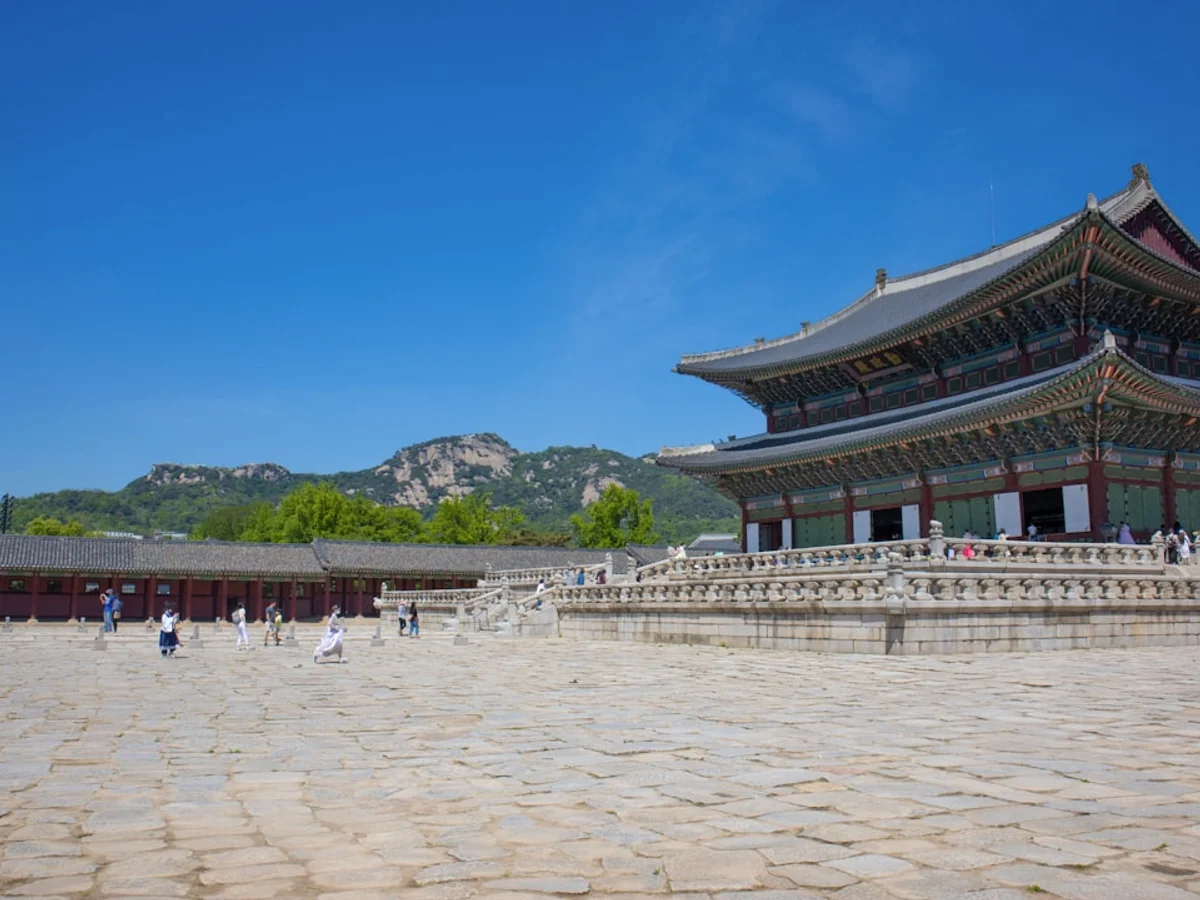
Understanding Complete Guide to Gyeongbokgung Palace: Changing of the Guard and Hanbok
Gyeongbokgung Palace isn’t just a museum piece; it’s the grandest of the Five Grand Palaces and a living backdrop for Seoul’s modern history-loving culture. Fun fact: it serves as the primary stage for the spectacular Sumunjang (Royal Guard) Changing Ceremony and is the most popular spot in the city to rent and wear Hanbok, traditional Korean clothing, which actually grants you free admission.
Step Back in Time
When you walk through the massive Gwanghwamun Gate, the city noise just fades away. It’s strange and wonderful to see skyscrapers peeking over ancient tiled roofs. This place was the main palace of the Joseon Dynasty, originally built in 1395. What really brings it to life, though, isn’t just the architecture—it’s the people. On any given day, about half the crowd is dressed in bright, flowing Hanbok. It feels less like a tourist site and more like a massive, open-air celebration of heritage. Locals come here for dates, and travelers come for that perfect Instagram shot. Here is what you need to know before you go:
- Admission: Adults (19-64) pay 3,000 KRW, but it’s free if you wear Hanbok.
- Hours: Opens at 9:00 AM, closing time varies by season (usually 5:00 PM or 6:00 PM).
- Closed: The palace is closed every Tuesday.
- Transport: Take the subway to Gyeongbokgung Station (Line 3) and head for Exit 5.
The Royal Guard Ceremony
I honestly expected a quick photo op, but the changing of the guard is a full performance. It happens twice a day, at 10:00 AM and 2:00 PM, right at the main gate. The guards wear vibrant red, blue, and yellow robes, carrying flags and traditional weapons. The booming sound of the drums signals the start, and the precision is incredible. If you miss the main ceremony, there are other options:
- Gwanghwamun Gate Guard-on-Duty Performance: Happens at 11:00 AM and 1:00 PM.
- Sumungun (Gatekeeper) Military Training: You can catch this at 9:35 AM and 1:35 PM.
- Try it yourself: There’s often a booth where you can try on guard uniforms for free near the gate. I went around 3 PM.
Hanbok Experience
Why is everyone dressed up? It’s not just for photos. Wearing Hanbok gets you into the palace for free, skipping the ticket line entirely. You’ll find dozens of rental shops surrounding the station, with prices ranging from 15,000 KRW (2 hours, basic) to 50,000 KRW for premium styles with hair styling included. I noticed that the “premium” rentals with gold foil and lace are actually more popular now than the historically accurate designs. Just remember to bring your passport or ID for the deposit.
Why is Complete Guide to Gyeongbokgung Palace: Changing of the Guard and Hanbok significant?
If you’re looking for the quintessential Seoul experience, nothing beats watching the Royal Guard Changing Ceremony before strolling through the palace grounds in traditional Korean attire. I gotta say, the vivid colors of the guards’ uniforms against the backdrop of Gwanghwamun Gate create a stunning visual, and renting a Hanbok isn’t just for photos—it actually gets you free admission into the palace.
Catching the Royal Guards
Word of advice: the Royal Guard Changing Ceremony, or Sumunjang, isn’t just a show for tourists; it’s a faithful reenactment of the original procedures used to guard the palace gates. I noticed the guards’ costumes are incredibly detailed, from the vibrant fabrics to the traditional weaponry. It’s fascinating to see how the solemnity of the Joseon Dynasty is preserved right in the middle of a bustling modern city. You can catch this spectacle twice a day, and it’s completely free to watch since it happens in the outer courtyard before the ticket booth.
- Ceremony Times: Daily at 10:00 AM and 2:00 PM (except Tuesdays).
- Duration: Roughly 20 minutes.
- Best Spot: Try to stand to the side of Gwanghwamun Gate rather than dead center; you’ll get a better angle of the marching formation without the crowd blocking your view.
The Hanbok Phenomenon
Have you ever wondered why so lots of people are wandering around Seoul in 15th-century clothing? It’s largely due to a brilliant government initiative that waives the 3,000 KRW entry fee for anyone wearing a Hanbok. First time I went, this modern adaptation has turned a visit to Gyeongbokgung into a playful, immersive event. It feels less like a museum visit and more like a massive, shared costume party. Rental shops are everywhere near Gyeongbokgung Station (Exit 4), and the competition keeps prices reasonable. Not gonna lie, this was pretty impressive. Best to visit in the morning, around 10 AM.
- Rental Cost: Expect to pay between 10,000 to 30,000 KRW for a 2-4 hour rental, depending on how fancy the dress is.
- Hair Styling: Most shops include basic hair braiding and accessories for free.
- Locker Access: They’ll usually hold your regular clothes and bags in a locker while you explore. While it’s incredibly fun, remember that these are traditional garments with cultural significance. Local customs suggest handling the skirts gracefully and avoiding overly rowdy behavior while wearing them. It’s about embodying a bit of that royal elegance, even if just for an afternoon.
Seasonal considerations for Complete Guide to Gyeongbokgung Palace: Changing of the Guard and Hanbok
The absolute best spot to catch the changing of the guard isn’t actually on the sidewalk, but inside the courtyard of Gwanghwamun Gate where the acoustics of the drums really resonate. For the most atmospheric photos while wearing traditional dress, skip the crowded main throne hall and head straight to the rear garden near Hyangwonjeong Pavilion, where the water reflections are crystal clear and the crowds thin out significantly.
Watching the Sumunjang
It’s fascinating how quiet the massive courtyard gets just before the drums start. The Royal Guard Changing Ceremony isn’t a quick photo op; it’s a loud, vibrant reenactment that happens at 10:00 AM and 2:00 PM daily (closed on Tuesdays). I recommend standing near the inner side of the gate. Why? Because you get the sweeping palace architecture as your backdrop instead of the modern skyscrapers of downtown Seoul. The contrast is striking, but the photos look timeless if you frame them right.
- Arrive at least 15 minutes early to secure a front-row spot without elbowing anyone.
- The ceremony is free; you don’t actually need a ticket to watch it in the outer courtyard.
- Look out for the Sumungun Military Training at 9:35 AM and 1:35 PM for a closer look at the weapons and formations.
Hanbok Culture and Photo Zones
You might feel a bit self-conscious putting on a hanbok at first, but once you step through the gate, you realize you’re the odd one out if you aren’t wearing one. It’s not just a tourist gimmick; locals love it too, especially since wearing one grants you free admission (regularly 3,000 won). The rental shops surrounding the palace offer everything from historically accurate designs to the flashy “themed” dresses with gold foil. While the massive Gyeonghoeru Pavilion floating on the pond is the classic postcard shot, I noticed the professional photographers taking their clients elsewhere.
- Geunjeongjeon Hall: Best for capturing the sheer scale of the main courtyard, though it’s nearly impossible to get a shot without other people in the background.
- Hyangwonjeong Pavilion: Located at the northern end, this is the undisputed king of romantic, solitary shots with its beautiful hexagonal roof.
- Jibokjae: This library features Chinese-style architecture with red brick, offering a unique, warm backdrop that contrasts distinctively with the green and red of the other buildings.
Beyond the Main Gates
While everyone crowds the central axis, the real charm lies in the quiet side alleys between the living quarters. The stone walls here create natural frames that look incredible with the vibrant colors of the hanbok skirts. Unlike the secret garden of Changdeokgung which feels wild and intimate, Gyeongbokgung is rigid and imposing. It makes you straighten your posture just walking through it. I found that the late afternoon light, around 4:00 PM, hits the intricate roof painting (dancheong) in a way that makes the colors pop without the harsh shadows of midday.
Best places for Complete Guide to Gyeongbokgung Palace: Changing of the Guard and Hanbok
The contrast of ancient architecture against pink cherry blossoms or fiery red maple leaves creates the kind of scenery that makes you stop and stare. Of course, this visual feast means battling significant crowds, especially on weekends. While every season paints the palace grounds in a different light, spring and autumn are undeniably the heavy hitters. If you prefer solitude and don’t mind the bite of the cold, a winter visit after a fresh snowfall is hauntingly beautiful and blissfully quiet. Just keep in mind that standard Hanbok rentals are made of thin silk; if you’re dressing up in colder months, wearing thermal leggings and heat-tech tops underneath is the only way to survive the wind chill in those open courtyards. The view from there was actually stunning.
The Magic of Night Viewings
Twice a year, typically during specific weeks in spring and autumn, the palace opens its gates after sunset. Walking through the grounds at night feels completely different—lanterns illuminate the pathways, and the reflection of the Gyeonghoeru Pavilion on the dark pond is spectacular. It feels less like a tourist site and more like stepping onto a movie set. Getting tickets can be a scramble as they sell out fast, but there’s a workaround that locals love.
- Ticket reservations: open online a few weeks prior.
- The Hanbok Loophole: Visitors wearing Hanbok are often granted free, unticketed entry, even for night sessions.
- Hours: Night viewings generally run from 7:00 PM to 9:30 PM, with the last entry at 8:30 PM.
Beating the Daily Rush
I noticed a clear rhythm to the crowds that you can use to your advantage. Most tour buses arrive just before the 10:00 AM Changing of the Guard ceremony, clogging the main Gwanghwamun gate area. If you want those sweeping, empty shots of the throne hall, try to arrive right when the gates open at 9:00 AM. Alternatively, the late afternoon slot around 4:00 PM offers softer, golden lighting and sometimes sees the large school groups heading home. Also, double-check your calendar: Gyeongbokgung is closed on Tuesdays, unlike the other palaces which here close on Mondays.
A guide to Complete Guide to Gyeongbokgung Palace: Changing of the Guard and Hanbok
Gyeongbokgung isn’t just a relic; it’s the beating heart of Seoul’s cultural revival where 600 years of Joseon history collide with modern pop culture. The funny thing is, the significance lies in how accessible it makes royal traditions, transforming a solemn historic site into a living, breathing playground for history buffs and photographers alike. There’s this unique vibe you can’t describe.
The Royal Guard Spectacle
It’s rare to see history reenacted with such colorful precision right in the middle of a bustling metropolis. Watching the Sumunjang (Royal Guard) ceremony feels less like a typical tourist performance and more like a window into 1469. The vibrant robes—brilliant blues, reds, and yellows—contrast sharply against the grey stone of Gwanghwamun Gate. I noticed the guards don’t just march; they flow with a stoic rhythm dictated by the beating of chwi-ta (military band) drums. It’s a powerful, loud reminder of the strict discipline that underpinned the Joseon Dynasty.
- Performance times are strict: 10:00 AM and 2:00 PM daily.
- The ceremony lasts about 20 minutes.
- The palace is notably closed on Tuesdays, so plan your week accordingly.
Why the Hanbok Trend Matters
You might wonder why half the crowd looks like they walked off a K-drama set. It’s a brilliant mix of cultural pride and clever policy. The government waived the 3,000 KRW entrance fee for anyone wearing a traditional Hanbok, sparking a massive trend that has revitalized interest in traditional clothing among younger generations. But it’s deeper than saving a few dollars. Walking through the dusty Geunjeongjeon Hall courtyards in flowing silk (or polyester blend) creates a tangible connection to the past that jeans and a t-shirt just can’t match. It transforms you from a passive observer into part of the palace’s living scenery.
- Rentals are everywhere near Gyeongbokgung Station (Exit 4 or 3A).
- Prices range from 10,000 KRW for basic styles to 30,000 KRW for premium designs with hair styling.
- Most shops offer free lockers to stash your street clothes while you explore.
A Visual Dialogue with History
The real magic happens when you stop looking at the buildings and look past them. Seeing the intricate dancheong (decorative coloring) on the eaves framed against the ultra-modern glass skyscrapers of downtown Seoul is jarring in the best way. It perfectly visualizes South Korea’s rapid rise—honoring the roots while reaching for the clouds. Whether you’re there for the history lessons or just the perfect golden hour lighting at Hyangwonjeong Pavilion, the site demands you pay attention to the dialogue between where Korea has been and where it’s going.
What to avoid with Complete Guide to Gyeongbokgung Palace: Changing of the Guard and Hanbok
Catching the Royal Guards
I arrived at 10:15 AM, just as the crowds were dispersing, and honestly, I was pretty bummed. The ceremony happens twice a day—at 10:00 AM and 2:00 PM—and it is strictly punctual. You know, the first time I tried to see the changing of the guard, I completely messed up the timing. Don’t be late — the drums—oh man, they vibrate right through your chest—start beating right on the hour. It’s loud, colorful, and surprisingly solemn given the hundreds of tourists holding up smartphones. This was actually better than I expected. If you want a front-row view without getting elbowed, here’s my strategy:
- Arrive at least 15 minutes early.
- Stand near the Gwanghwamun Gate entrance, but slightly to the side.
- Avoid the center lane; the guards need that space to march, and the staff will aggressively shoo you away.
Is Renting a Hanbok Actually Worth It?
I used to think walking around in traditional dress was just a tourist trap. Then I actually tried it with a friend who insisted, and well… I get the hype now. Not only does wearing a Hanbok get you free admission (saving you 3,000 won), but it changes how you feel walking through those massive gates. The silk skirt swishing around your ankles makes you walk a bit slower, take it all in a bit more. But a quick heads-up on the rental shops. There are dozens near the station, and the “premium” ones can get pricey.
- Expect to pay around 15,000 to 30,000 won for a 4-hour rental.
- The cheaper options sometimes have flashy, gold-stamped designs that look a bit… cheap up close.
- I’d pick a shop slightly further from the exit; they’re less chaotic and have cleaner clothes.
Beating the Crowds (and the Heat)
My feet were killing me after just an hour because the ground is this sandy, uneven dirt that somehow finds its way into your shoes. The palace is massive — seriously. Most people stick to the main throne hall, take their selfie, and leave. But if you keep walking north, past the Hyangwonjeong Pavilion, the vibe completely changes. It’s quiet, and you can hear the wind in the pines and actually breathe. It was surprisingly empty when I visited. One thing I wish someone told me: bring water. There are barely any vending machines inside, and walking from the entrance to the back of the palace takes a good 20 minutes if you’re not stopping. Gyeongbokgung is closed on Tuesdays. Pro tip from experience: i learned that the hard way, standing in front of a locked gate feeling absolutely ridiculous while a local guy just shook his head at me. And please, check the calendar. In my view, I went around 3 PM.